Why Do I Hate Asking for Help?
An EMDR Therapist Explains the Trauma Response Behind Hyper-Independence
You tell yourself:
“I should be able to handle this myself.”
“I don’t want to burden anyone.”
“I hate depending on people.”
But underneath those thoughts may be a nervous system that learned asking for help was not emotionally safe.
As an EMDR therapist in San Jose, I work with many millennial women who look high functioning on the outside but internally feel exhausted from carrying everything alone.
Many of my clients say:
“Nothing that bad happened to me… so why is asking for help so hard?”
Often, the answer is not weakness.
It is unresolved trauma, anxiety, people pleasing, perfectionism, or earlier experiences that taught your nervous system:
vulnerability is unsafe
your needs are “too much”
you cannot rely on others
you have to handle everything alone
Key Takeaways
Difficulty asking for help can be a trauma response — not a personality flaw.
Hyper-independence often develops when emotional needs felt unsafe, dismissed, or unsupported.
Anxiety, perfectionism, and people pleasing can make vulnerability feel uncomfortable or overwhelming.
EMDR therapy helps process the deeper experiences and beliefs keeping these patterns stuck.
Healing involves learning that needing support does not make you weak.

So why is asking for help so hard?
Difficulty asking for help is often connected to:
trauma
anxiety
perfectionism
people pleasing
childhood emotional neglect
fear of vulnerability
Many women develop hyper-independence after learning they could only emotionally rely on themselves.
Even when you logically know support is healthy, your nervous system may still react as if needing help is dangerous.
Here’s Why You Might Hate Asking for Help and Signs it May Be Trauma-Related
You’re Afraid of Losing Control
If you grew up feeling emotionally unsupported, criticized, or forced to “figure things out yourself,” depending on others may now feel unsafe.
Your nervous system may believe:
“If I stay in control, I stay safe.”
“I can only trust myself.”
Many millennial women in San Jose struggle silently with burnout, anxiety, and emotional exhaustion from always being “the strong one.”
You feel like a burden.
If your emotions or needs were minimized growing up, you may now believe:
“My needs are too much.”
“I inconvenience people.”
“I shouldn’t need support.”
As a result, even small requests for help can feel emotionally overwhelming.
You’re Used to Taking Care of Everyone Else
You may be the person everyone depends on while secretly feeling overwhelmed yourself.
This pattern often develops when connection felt tied to:
being helpful
being easy
not upsetting others
earning acceptance through caretaking
Over time, this can lead to people pleasing, emotional burnout, and difficulty receiving support.

What EMDR Therapy Can Help With
EMDR therapy helps process the experiences that shaped these beliefs and nervous system responses.
Instead of only talking about struggles intellectually, EMDR helps your brain and body reprocess experiences that still feel emotionally “stuck.”
This can help shift beliefs like:
“I’m a burden.”
“I have to do everything alone.”
“My needs don’t matter.”
Into healthier beliefs like:
“I’m allowed to need support.”
“My needs are valid.”
“I don’t have to carry everything alone.”
As an EMDR therapist in San Jose, I help millennial women heal from trauma, anxiety, perfectionism, people pleasing, and nervous system overwhelm so they can feel more grounded, connected, and emotionally safe.

How to Start Practicing Asking for Help
Notice the thoughts that come up when you need support.
Reflect on where you may have learned vulnerability was unsafe.
Challenge beliefs like “I’m a burden.”
Identify emotionally safe people.
Remember that needing support is human.
Healing is not about becoming dependent on everyone.
It is about learning you no longer have to survive everything alone.
EMDR Therapy in San Jose, CA and virtually throughout California for Anxiety, Trauma, and Hyper-Independence
If you constantly feel:
emotionally overwhelmed
anxious asking for help
responsible for everyone else
stuck in people pleasing
exhausted from overfunctioning
therapy can help you understand why these patterns developed — not just how to manage them.
I specialize in EMDR therapy for millennial women in San Jose and throughout California who are healing from:
trauma
anxiety
perfectionism
relationship patterns
childhood emotional wounds
high-functioning anxiety

Ready to Begin?
You do not have to keep carrying everything alone.
-Nicole Egan, LMFT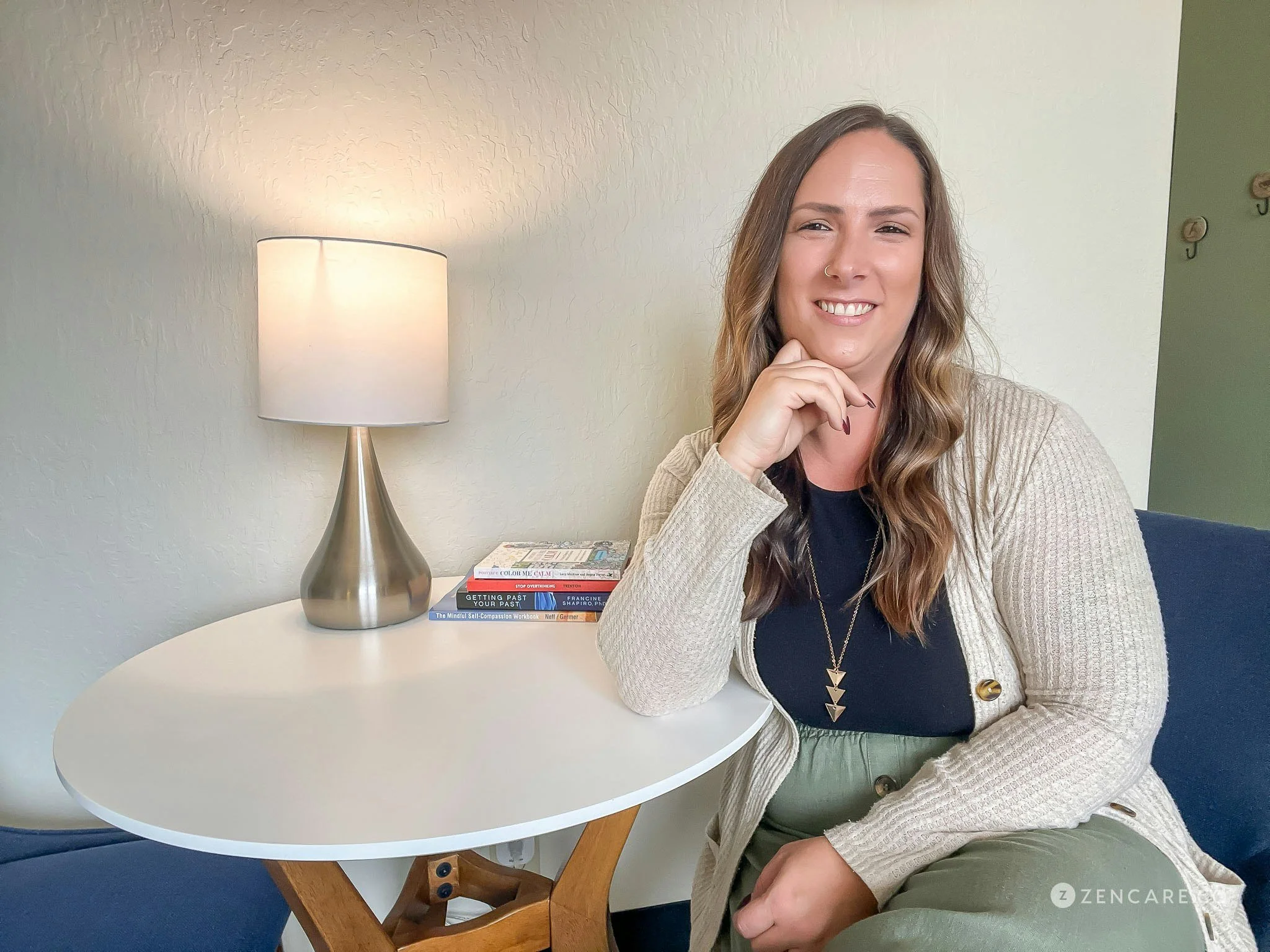
Learn more about Nicole at Balanced Mind Therapy